Ads

Friday, March 13, 2015

The Beginner's Guide to the IDM Genre (Part 1)


This essay is intended to serve as a beginner’s guide to the musical genre known as IDM. A subgenre of electronic music, it started to formulate in the early 1990s. It was referred to as “intelligent” dance music because it was more complex than many of the mainstream dance tracks that were being produced at the time.


IDM tracks tend to be more experimental and less oriented towards getting people to dance. The genre is a bit difficult define; it’s a bit of an “I know it when I hear it” type situation. One major way to delineate it is that it is usually meant for listening at home as opposed to being played by a DJ in a club-like atmosphere.


The name IDM is often eschewed by the actual artists who supposedly make it. A somewhat less common term used is “braindance.” Several musicians associated with the genre actively reject the IDM label.


The most influential and important artist of the genre is clear in my mind: Aphex Twin (real name Richard D. James). His influence had been clear in not just IDM, but electronic music in general. James was born in Ireland, but grew up in Cornwall.


James is an example of an artist who doesn’t appreciate the label “intelligent dance music.” He was quoted in 1997 as saying, “I just think it's really funny to have terms like that. It's basically saying 'this is intelligent and everything else is stupid.' It's really nasty to everyone else's music.”


The music of Aphex Twin is incredibly varied. He has dabbled in several different genres, including jungle, ambient, acid techno, and even piano pieces. His ambient tracks on albums such as Selected Ambient Works Volume II sound worlds apart from his spastic, fast paced tracks on 2001’s Drukqs.


Aphex Twin’s most well known track is most likely Come To Daddy, off the 1997 EP of the same name. The track is solid and a bit mainstream compared to much of his other work, but a big part of its fame is due to the insane music video by Chris Cunningham. It features freakish imagery including a group of small children all with the grinning face of Aphex Twin.


The track titled, “Windowlicker” is his second most famous, also partly due to a grotesque music video by Cunningham. This time, instead of children, we see the Aphex Twin face on bikini-clad women.


The most essential Aphex Twin album in my opinion is clearly Drukqs. It is often considered to be the peak of his career, although this may be partly because there was not another album released under the Aphex Twin name for 13 years, until 2014’s Syro.


Most of the tracks on this album are frenetic, chaotic ones such as “Omgyjya Switch 7” and “Vordhosbn”. 


Those contrast with short interludes of a computer controlled grand piano, with its sound sometimes altered in various ways. These calm tracks are reminiscent of the John Cage prepared piano pieces. Examples of the more mellow ones include “Avril 14th” and “Kladfvgbung Michsk.”


Also crucial is the Selected Ambient Works series, consisting of two albums, SAW 85-82 and SAW Volume II. The first was released in 1992, the second in 1994. Standout tracks from the first include “Ageispolis”, “We are the Music Makers” (which contains a sample of the film Willy Wonka and the Chocolate Factory), and “Xtal”.


Some of my favorites from Volume II are the opener “Cliffs”, and "Weathered Stone".


Additionally, Richard D. James has made music under several different aliases, including AFX, Polygon Window, Caustic Window and Bradley Strider. There’s even an amusing remix of the Pac-Man theme song by him under the name “Power Pill.”


The next level of big names in IDM clearly consists of three names: Autechre, Squarepusher, and Boards of Canada.


Like Aphex Twin, Squarepusher is a UK artist. Tom Jenkinson is his given name. His music is similar to Aphex in that it is often chaotic, intense, and full of surprises. However, he clearly has his own sound and differs from Richard D. James in many ways.


Squarepusher’s sound is much more jazz-influenced. He plays bass guitar and this often a big part of his live set. Many of his tracks also exhibit strong drum and bass roots.


He first started releasing music in 1994 and is commonly considered to have been inspired by Aphex Twin’s music, although the inspiration has clearly gone both ways over the years. They even produced a track together in 1998, “Freeman Hardy and Willis Acid.”


The first full length effort from Squarepusher, Feed Me Weird Things, came out in 1996 and is a perfect example of both his jungle and jazz influences.


One of my favorite tracks from that album is the jazzy opener, “Squarepusher Theme.”


Squarepusher followed that up with his second album, 1997’s Hard Normal Daddy. The single taken from it was “Vic Acid”, but the clear standout is the manic, high energy “Fat Controller.” This track is a perfect example of how the album is experimental, yet still funky and enjoyable.


Jenkinson continued to release albums steadily for the next few years. In 1998 he came out with Music is Rotted One Note and Buzz Caner, with Selection Sixteen in 1999.


His most intriguing release from this era is the 2001 album Go Plastic. Picked as the single was the incredibly catchy “My Red Hot Car”, which features vocals with the line, “I want to fuck you with my red hot car.”


Since then, Squarepusher continues to release music every year or two. His most recent full-length came out in 2012, titled Ufabulum. Simply put, even for Squarepusher/IDM standards, the album is absolutely insane. Ufabulum is purely electronic and doesn’t feature any live instruments as his albums often do. It is considered by many to be his strongest effort since Go Plastic and I have to say I agree.


The single from the album, “Dark Steering” was given a trippy music video that showed off a new feature of Squarepusher’s live show, an LED helmet he wears that matches up with a crazy looking screen in the background. I had the pleasure of seeing him perform this album live at the Movement Festival in Detroit, MI. Needless to say, it was one of the coolest and most intense live performances I’ve seen.


My favorite cut off this one is probably, “The Metallurgist.” It is embedded below.


On April 20, 2015 his new album Damogen Furies, will be made available. One track, “Rayc Fire 2”, can currently be downloaded from his official website for free.


Unsurprisingly, the next artist we will discuss is also from the UK. The group known as Autechre consists of Sean Booth and Rob Brown, who were both born in Manchester, England.


They started about the same time as Aphex Twin, with their first two EPs, Cavity Job and Lego Feet being published in 1991.


Their debut LP, 1993’s Incunabula was a unique and influential album in the world of electronic music. The album has a minimal, cold, and clinical feel to it. Yet it still manages to have emotional resonance at times.


It was released by Warp Records, the highly influential label that has also published music by Aphex Twin and Squarepusher.


The excellent track “Basscadet” was selected as the single, which makes it the only Autechre single to come from an LP.


My personal favorite from Incunabula is “Bike”, which is embedded here.


Their next full-length album, Amber, was put out in 1994. Like Incunabula, Amber has more of a mainstream sound when compared with later Autechre works. However, it was a bit more ambient and less beat-oriented than their first release.


Amber is a solidly consistent record, but my favorite may be the track “Slip”, which is linked to below.


Autechre dropped their third album Tri Repetae, in 1995, and we begin to see more of the experimental sound that most associate with them. Even their first two albums stretched the limits of what could be considered “dance music” but with Tri Repetae, they left that world entirely.


This album is even more cold and emotionless than their more accessible previous releases. Quiet tracks like “Overand” are definitely not something you would hear at a club.


In 1995, they also released an EP named Anvil Vapre. “Second Bad Vilbel” was chosen off of it to get a music video directed by Chris Cunningham, who directed videos for Aphex Twin as I mentioned earlier.


Their fourth LP, Chiastic Slide debuted in 1997. It continued with the experimental sound of Tri Repetae but didn't necessarily  break any new ground comparatively. LP5, the fifth Autechre album, arrived in 1998.


2001 saw the release of Confield, what many consider to be the height of Autechre’s musical output. It was also the apex of their experimentation. Right from the opener “VI Scose Poise”, it’s clear this is a challenging, but rewarding listen.


Next year, Autechre made an EP titled Gantz Graf. The title track was turned into a visually stunning music video by British artist Alex Rutterford. Rutterford has worked with musicians such as Radiohead and Amon Tobin.


The video features some absolutely insane abstract computer generated imagery that is perfectly synchronized to the music. Supposedly, the idea for the video came to the artist during an LSD trip.


After that came Draft 7.30 in 2003 and Untilted in 2005. The latter features one of my favorite Autechre tracks, the epic, frenzied, almost 16-minute (their longest) “Sublimit”.


Quaristice came out in 2008 and in my opinion, saw the beginning of a new sound for Autechre that would carry over in their future releases. It was less intense and chaotic and more minimal in a strange way than earlier albums. There were also a lot of shorter tracks; Quaristice had 20, more than any other Autechre album and some were under three minutes.


“The Plc” is a good example of the quirky, almost laid-back new direction of their music.


2010’s Oversteps was in a similar vein. Gone is the maximalism of some of their tracks from albums such as Confield, and instead many of the songs have an ambient vibe. Oversteps also had 14 tracks, a decent amount for Autechre, with many of them five minutes or shorter.


One of my favorites on Oversteps is the ethereal “see on see”.


Their most recent release was Exai, a 2014 double album that was their best since at least Untilted. The album has seventeen tracks plus a Japanese bonus track and is over two hours in length.


The 12-minute “bladelores” is one of my favorites off Exai.


In part 2 of this series, I discuss Boards of Canada as well as some of the lesser-known IDM artists.

Please follow me on Facebook here and on Youtube.

Monday, March 9, 2015

The Look of Silence is an intense and haunting documentary

I recently volunteered at the True/False Film Festival in Columbia, MO and got a chance to see the amazing new documentary from up and coming filmmaker Joshua Oppenheimer.


Oppenheimer has been making documentaries since the mid-1990s, but recently gained prominence for his 2012 film, The Act of Killing. Most notably, it was nominated for an Academy Award for best Documentary feature. It also won the BAFTA for best documentary at the 2014 awards. He lived in Indonesia for years in order to make these films.


The Act of Killing has been described as a companion piece to The Look of Silence. They both share the same subject matter of the series of massacres that took place in Indonesia in 1965-1966. Over 500,000 people were killed by the government in a supposed crackdown on communists.


Unfortunately I have not yet seen the first film, but viewing Silence has definitely convinced me to search it out.


The Look of Silence is about a mass killing of thousands but it focuses on the story of one family. This is incredibly important. It can be easy sometimes to hear about thousands killed in a far off land and think of it only as an abstraction. This gives a chance to really feel the experience on an individual level.


The main character is a man named Adi, whose brother was horrifically killed as part of the massacres. The perpetrators are still in power and he is forced to live around them every day.


His job is giving eye exams and he started having to visit the homes of the men who were responsible for his brother’s death. According to Oppenheimer in the Q&A after the film, Adi then started intentionally seeking out older men in order to learn more about the senseless atrocities. In the film, he confronts them, but calmly, seemingly without anger.


The camera unobtrusively observes these tense scenes where old men unemotionally delineate murdering people in horrific ways. However, the film doesn’t shy away from reminding the viewer they are watching a film as Oppenheimer is mentioned by name onscreen and one of the perpetrators talks about how Oppenheimer’s questions weren’t as tough as Adi’s.


These men talk about drinking blood as you or I would describe an iced mocha. At least two or three claim that when killing so many people, one had to consume their victims’ blood to avoid going insane. This appears to be a clear case of incongruent affect where one’s demeanor doesn’t match the intensity or emotion of what they are describing.


Throughout the film, Adi also watches video of the deceased leader of the death squads responsible for the killings. The recordings show a man who describes the killings even more casually than the rest and reenacts them for the camera in minute details. In perhaps the film’s most intense moment, he recounts how Adi’s brother Ramli was killed by having his penis sliced off.


As you can see, the film is quite disturbing at times. Yet there are still moments of levity and humor, mostly provided by Adi’s elderly parents. His father is supposedly over a hundred years old, confined to wheelchair and seems to be barely able to see or hear.  He seems surprisingly full of life for someone in that situation and is a pretty humorous character. We get the pleasure of seeing him sing a song with lyrics such as, “You’re so sexy, I can’t stand it!” The humorous moments are juxtaposed with the heavy moments in a interesting and powerful way.


If you stay for the credits you will notice that many of the crew positions are credited simply as “Anonymous.” They fear reprisals from the Indonesian government for their participation in the film. Oppenheimer also stated in the Q&A that the government has been systematically trying to shut down local screenings. He assumes that he will not be able to return to Indonesia now that these two documentaries have come out.


This is the first I’ve seen by Joshua Oppenheimer, but I can clearly tell he has a distinct look and isn’t your typical documentary filmmaker. The cinematography in documentaries can be a bit basic or utilitarian at times, but he and cinematographer Lars Skree really give us some beautiful imagery and great framing.


The editing is also quite interesting as we often see these drawn out moments of silence during the intense interviews. Often one of the military leaders will finish speaking about a gory murder and the camera just lingers, hinting at what could possibly be going on in their minds.


The Look of Silence also features two famous names credited as Executive Producer. One is the famous German New Wave director Werner Herzog, who has made  many non-fiction films. The other is Errol Morris, known for his documentaries The Thin Blue Line and The Fog of War.


The Venice International Film Festival honored this film with the Grand Jury Prize as well as four other awards. It has received several other awards and nominations from various festivals as well.


As of March 2015, the movie has a 8.3 out of 10 on IMDB, but only 547 users have voted on it so far, including my own score of 10/10.


The reviews seem to be very positive as well. It has a 91 out of 100 on Metacritic and a 100% rating on Rotten Tomatoes. Seemingly the only mediocre review has come from The Wrap, where it is described as feeling “more like an extended DVD extra to his genre-defying previous film than a stand-alone documentary.” I may have had a different experience not having seen The Act of Killing, but can’t imagine anything making me view The Look of Silence as a DVD special feature.


Other reviews are much more positive. From Time Out New York, Joshua Rothkopf calls the film, “staggering” and a “superior work of confrontational boldness.” Jessica Kiang of The Playlist says it’s “an extraordinarily poignant, desperately upsetting meditation.”

Saturday, February 7, 2015

Ranking the 2014 Best Picture Nominees

8. The Theory of Everything


To me, there was a very clear choice for the weakest of the 8 Best Pic nominees this year. There's a solid crop of films, so this isn't saying it's a bad movie.

However, in my opinion, it shouldn't have even been nominated at all. I would rather have seen a nod go to Inherent Vice, or even Gone Girl or Foxcatcher.

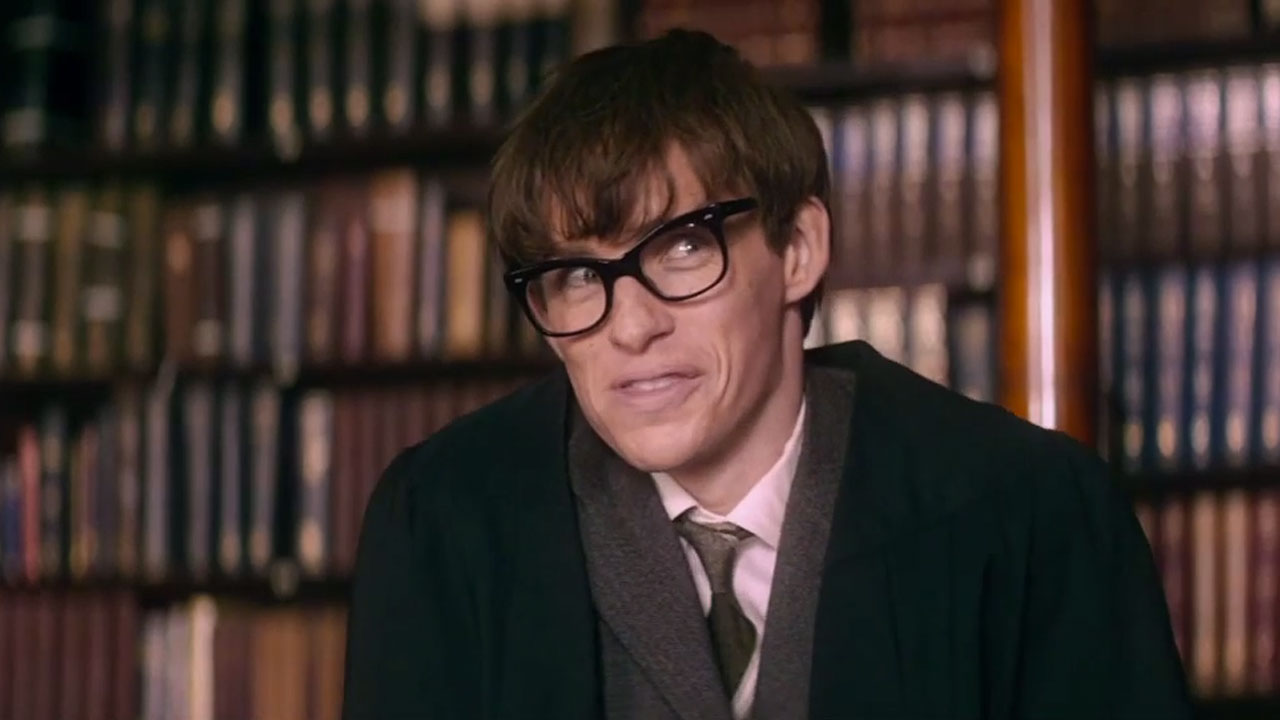
I can't help but compare The Theory of Everything to the stronger Best Picture nominee that is also the true story of a brilliant scientist, Imitation Game. Eddie Redmayne has gotten lots of praise for his portrayal of Stephen Hawking, but I was more impressed by Benedict Cumberbatch as Alan Turing.

Overall, the film was just a bit too formulaic for my tastes. Director James Marsh never really gives it a distinctive look or feel. Marsh is mostly known for his documentaries such as Man on Wire from 2008 and Project Nim, released in 2011.

I also thought it was a bit odd that the film placed so much emphasis on atheism and opposition to religion. Full disclosure, I am an atheist, so it's not as as if I'm some offended religious person. I don't claim to an expert in Hawking's career, but I feel there was obviously much more to him than atheism. He has made many notable comments on the possible existence of god, but his writings that I have read seem to rarely touch on the matter.


7. American Sniper


There was another clear choice here, with this being a bit better than The Theory of Everything, but definitely on a lower artistic level than the other six.

Much has been said about the infamous "fake baby" scene, so I won't expound much on it here besides to say that the scene alone makes this film one of the lesser nominees.

Perhaps even more troubling is the film's murky morals. I never got a real good feel as to what the film was trying to say.

Sniper Chris Kyle is seemingly presented as a selfless hero who was fighting for his country motivated by terrorist attacks such as 9/11 and conflicted over his actions. Director Clint Eastwood fails to mention that Iraq was unrelated to 9/11 and that Kyle publicly stated many times that he had no remorse over the people he killed in combat.

The film was solid and above average but I would not have given it a Best Picture nomination. I wouldn't necessarily consider it essential viewing.


6. The Imitation Game


This was a solid all-around effort and I have no problem with it getting a nomination. For the first time on this list, I had a bit of indecision as to whether to put this or Selma higher. However, I believe it is clearly a step up from American Sniper and definitely not in the same league as Boyhood or Whiplash.

I found Selma to have a bit more emotional intensity than this. That may simply be because the civil rights issues of the 1960s still seem quite relevant while World War II seems a bit more remote. The Imitation Game does speak to civil rights in terms of LGBT issues, but this isn't necessary the only focus of the film as in Selma.

The Imitation Game is helped a great deal by the powerful performance of the always brilliant Benedict Cumberbatch, This role is a bit similar to his portrayal of Sherlock Holmes for BBC. Both characters are brilliant and socially awkward. However, Cumberbatch's role as Alan Turing has a bit more pathos and emotional weight.

The directing from Morten Tyldum (Headhunters, Fallen Angels) is decent but nothing special. The look is pretty generic as you may expect from a movie like this. However, it deserves a lot of credit for showing the dangers of homophobia. All fans of cinema should view this film once.


5. Selma


Selma is a great, powerful film, but it was easy for me to put this below the top four.

This film has been subject to a bit of controversy in regards to the Oscars. It received a nomination for Best Picture of course, but the only other one it garnered was for Best Original Song.

Many expected director Ava DuVernay to get nominated for Best Director, but she was not. She would have been the first black female to be one of the nominees in that category. The directing in Selma isn't really anything special, so it isn't shocking to me that she didn't get picked. However, I most likely would have replaced Morten Tyldum with her.

Another notable snub was David Oyelowo (who played Martin Luther King, Jr.) not being one of the best Lead Actor nominees. He did give a great, moving, nuanced performance. I would probably have swapped him out with either Eddie Redmayne or Bradley Cooper.

The snub was notable partly because every single one of the acting nominees were white. Many saw that as indicating systemic racism within the Academy. However, in my opinion, this isn't necessarily the case. 

The problem isn't necessarily that no minorities were nominated, but rather that there aren't many good options for them to choose from. There aren't a lot of meaty roles for black people and other minorities. The films that have black casts that get awards consideration are usually films that deal with slavery or racism, like Selma or 12 Years a Slave. If the film industry produces more quality films starring African-Americans, AMPAS will be much more likely to recognize them.


4. Boyhood


This just barely missed my top 3, but it didn't resonate with me as strongly as the three remaining films. However, it was clearly a step up from films such as Selma and The Imitation Game.

I've been a fan of director Richard Linklater's for a long time. Dazed and Confused, Waking Life, and A Scanner Darkly are all classics to me. None of those got any award buzz, but the slightly inferior Boyhood is considered one of the front runners to win Best Picture.

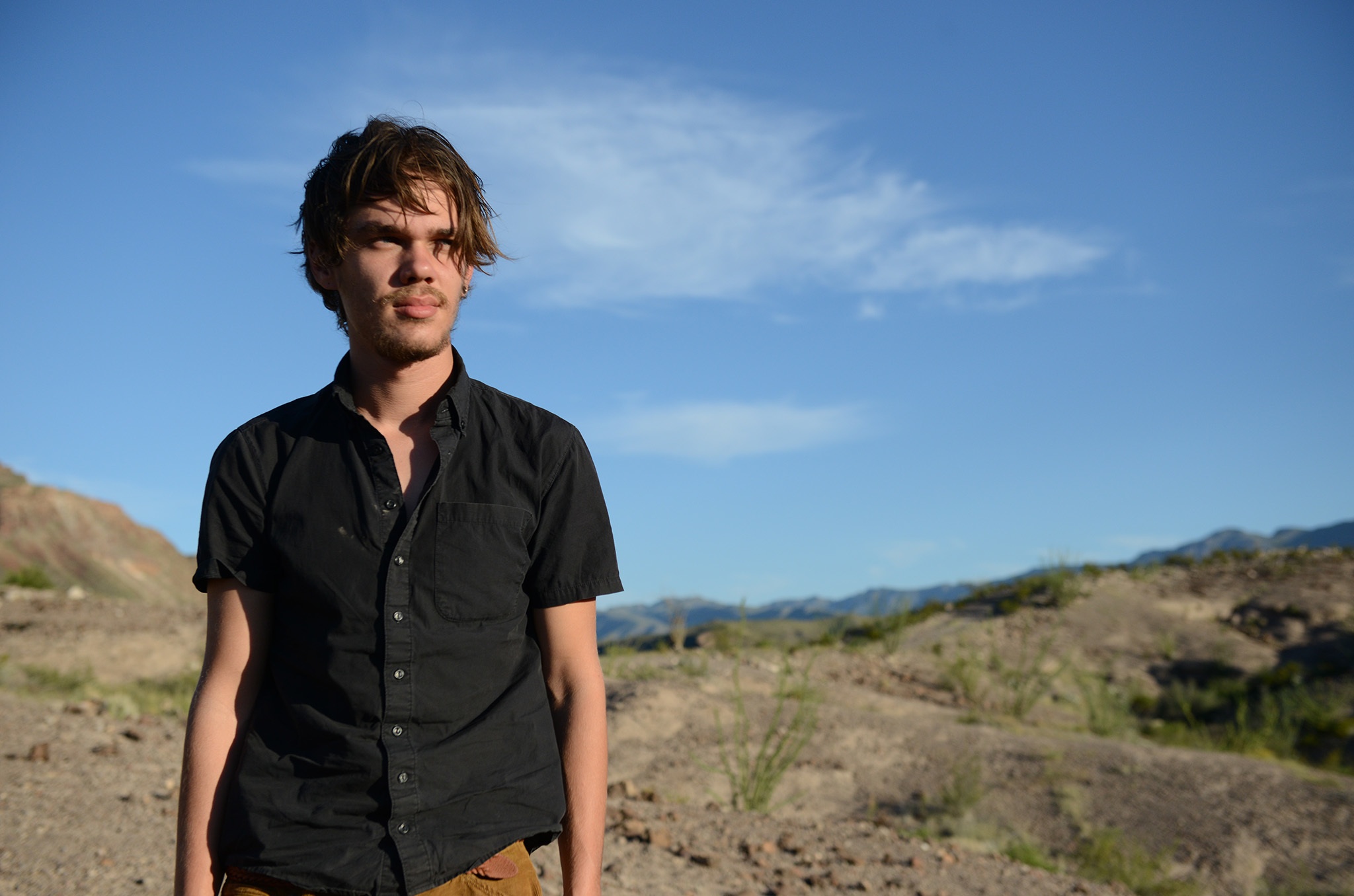
The awards attention may be partly because of the unique way it was filmed. Linklater made the film over 12 years and follow a boy as he grew into manhood. This definitely makes Boyhood unique in the annals of cinema.

Regardless, the film is a very effective look at adolescence. It doesn't have a "plot" in the typical sense as many of the events don't have a cause and effect relationship with other plot points. Boyhood also lacks a strong sense of closure, but this fits in perfectly with the film's style and themes. It is most likely the most experiment of the nominees with the possible exception of Birdman.

Boyhood got many other Oscar nominations as well. Richard Linklater got a strongly deserved nod for Best Director, his first. He won Best Director at the Golden Globes this year where the film also won for Best Picture (Drama).

Furthermore, Boyhood got two acting nominations, both in the supporting categories. Ethan Hawke and Patricia Arquette both got noms for playing the main character's father and mother. Arquette is strongly considered to be the front runner.

Boyhood is also thought of by most to be the most likely film to win Best Picture this year. I would be pleased with that, as the Academy has given out the award to much worse films over the years (I'm looking at you, Argo and The Hurt Locker).


3. Whiplash


I knew which film was going to be number one on my list so at this point I was just debating whether I should put this or Grand Budapest Hotel at number two.

Whiplash is the first major film from director Damien Chazelle. It stars Miles Teller as an aspiring jazz drummer. Teller will appear next year as Mr. Fantastic in the reboot of The Fantastic Four. The movie also features J. K. Simmons in a brilliant performance as an intense, verbally abusive music teacher. A well-deserved nomination for Best Supporting Actor was given to Simmons.

Chazelle also earned a nomination for Best Adapted Screenplay. The film is not really based on any previous work. However, they made a short film to be used as a proof of concept and it was entered in various festivals, This meant that according to AMPAS rules, the film would be considered an adapted screenplay.

Whiplash is a tightly structured film that is never boring. It goes places you wouldn't expect and avoids cliches. There are a couple plot points that really take you by surprise. And the ending packs a powerful punch. In fact, I'd say it was easily one the best endings in recent years; it ends at the exact perfect moment.


2. The Grand Budapest Hotel


It may have been my long standing respect for Wes Anderson's work that gave this my second spot. But it is easily in the top 3 of the year. My only indecision was whether or not to place it in the number 2 spot or number 3. But in the end, it just barely edged out Whiplash.

As usual with Anderson's work the cinematography and set design are brilliant. There are also plenty of quirky characters and cameos from Anderson regulars like Owen Wilson and Bill Murray.

However the clear standout is a newcomer to the world of Wes Anderson, Ralph Fiennes. Fiennes got snubbed for a Best Actor Oscar nod; I would definitely have included him instead of Cooper or Redmayne. Fiennes did get nominated for several other awards, including the BAFTA for Best Actor.

The Grand Budapest Hotel was tied with Birdman for the most nominations this year, nine. Wes Anderson got his long overdue first Best Director nomination. Previously he had only been nominated for Best Original Screenplay. He, along with Hugo Guinness, was again given a nod in that category this year.

The other nominations include Best Original Score, Best Production Design, Best Cinematography, and Best Film Editing. The Grand Budapest Hotel also won the Golden Globe for Best Picture (Musical or Comedy).

Anderson's film would be a very deserving winner, but it may be a bit too lighthearted and whimsical for the Academy that often likes to select movies with a serious message.


1. Birdman


Picking Birdman as the best of the nominees was the easiest choice of all. Director Alejandro G. Inarritu has given us a classic that will be remembered as one of the greatest films of our time.

The cinematography alone will make Birdman go down in history. In a unique cinematic experiment, most of the film appears to be one long take without any edits. Apparently there are "hidden" edits that an observant viewer may notice, but there are still clearly extremely long takes that must have been very difficult to pull off. According to IMDB trivia, there are only 16 visible cuts.

The acting is also amazing and Michael Keaton gives a brilliant performance as a former superhero actor trying to make it in legitimate theater. However, the real standout may be Edward Norton in a supporting role as an egotistical actor.

Birdman is not just technically astounding but also genuinely funny and moving. The comedy is a bit on the darker side but there are still plenty of "laugh out loud" moments.

This film is also probably the most difficult and complicated of the nominees. It's daring, existential, and risky and doesn't spoon feed the audience. It also has an ambiguous ending, which can be frustrating for some viewers.

Birdman is considered by many to have a good chance of winning Best Picture if Boyhood doesn't take it. It was thought to be a long shot but winning the Producers Guild award has bolstered its chances. The PGA winner for Best Picture has also won the Oscar every year since 2006 when Little Miss Sunshine won the PGA and The Departed won the Academy Award.

However, some have pointed out that the film lacks a Best Film Editing nomination. No film has won Best Picture without an editing nomination since 1980. However, I could easily see Birdman as being an exception due to the way it was shot. 

Sunday, October 26, 2014

A Comparison of the Top Grossing Films Throughout History (Part II: Sequels and Remakes)

In Part 1 of this series, I discussed the increased prevalence of Science Fiction and Fantasy among the top ten grossing films of each year.  In this installment, I'm going to talk about the often lamented rise in the number of remakes, sequels, and adaptations.

This is a very common criticism of Hollywood, with many saying it is a sign of a lack of creativity. Others reply that the film industry has always used remakes and sequels.

Let's start out way back in the silent film era and check out the top grossing movies from 1919. I usually have been looking at the top ten, but Wikipedia only lists the top 8 for that year so we will stick with that.

As you may expect, none of these films are remakes or sequels. However, they are not necessarily all completely original films. Three of the eight are, which is a much bigger proportion than we will see in later years. The most notable of these original movies from 1919 is D.W. Griffith's Broken Blossoms.


That leaves five films that were adaptations of some previous work. Two of them were based on novels and one on a series of short stories. There were also two adapted from plays. In the early days of the film industry, taking ideas from theater was a very common occurrence. This makes sense, as the two mediums are similar in many ways.


This trend was still going strong in 1929. Out of the top 9 films in the United States that year, 5 of them were musicals based on preexisting plays. Only 2 of the 9 were not adaptations, with one coming from a story. The last was actually a sequel, surprisingly enough. The movie The Cock-Eyed World was a sequel to a silent film called What Price Glory?. This was one of the earliest examples of  a successful film with a sequel that brought back the main actors as well as the writer and director.

In 1939, however there was only one theater adaptation in the top 10 grossers. There were 2 original films, but 7 of them were translated from books or short stories. The most notable one was based on L. Frank Baum's fantasy novel, The Wizard of Oz.


Going forward another decade to 1949, we see only one film out of the top ten that was based on a play. However, a whopping 5 of them were book adaptations, plus one biblical film. There were 2 original films, but both were inspired by historical events. There was even one sequel, Jolson Sings Again, about the life of Al Jolson. 

Clearly even in the first half of the twentieth century, filmmakers were freely adapting previous works.  However, we really aren't seeing that many sequels or remakes as of yet.


Throughout the 1950s and 1960s we continue to see mostly book and stage adaptations in the top tens of each year, with original movies sprinkled in.

1955's top 12 saw only 2 original movies, with 6 based on books, 3 based on plays, and one on a short story.

In 1959, looking at the top ten, we see four book adaptations. One of them, Ben-Hur, was also a  remake of a silent film. One was adapted from a play, two from short stories, and one from a fairy tale. Only two of them were wholly original.


1962 had a decent amount of original films, three, but also six based on books and one that was originally a stage musical.

In 1965, 5 based were based on novels, with only 3 original screenplays. One of the book adaptations was Thunderball, which was also a sequel, the fourth film in the James Bond franchise.

1967 has a similar proportion with 4 movies not based on anything and 6 taken from books. Again one of the book adaptations was a James Bond film, the fifth movie in the series, You Only Live Twice.


In 1969 only three in the US top ten were originals. There were three based on stage plays and four based on books. This includes, you guessed it, a James Bond film.


However, skipping forward to 1977 we see a slightly different picture. Surprisingly, half of the top ten grossers were original films, with four novel adaptations and one, Saturday Night Fever, based on a magazine article.

1979 is a bit more typical. with only three original films and four based on books. There was a sequel, Rocky II. There was also, in contrast to the previous years we have looked at, two films that started out at TV shows, The Muppet Movie, and Star Trek: The Motion Picture. These were some of the earliest movies that came from shows, and appear to be the first ones to place in the top ten money makers of the year.


In 1980, we see a decent amount of original movies in the top ten, four. However, there were also three sequels, The Empire Strikes Back, Any Which Way You Can, and Smokey and the Bandit II. Only 2 that year were based on a novel, and one, The Blues Brothers, based on a Saturday Night Live sketch.

For 1987, we again see half of the top ten being non-derivative films. There were 2 book adaptations and 2 remakes. 


1990 had 4 original films, 2 sequels, 3 novel adaptations, and 1 based on a comic book.

In this time period, we appear to see a slight uptick in original successful films. Many were adapted as well, but we see a greater variety in the source material. In the earlier decades of film, the source material was usually novels and the theater. In the 1970s, 1980s, and early 1990s, films were based on TV shows, earlier films, comic books, and there were plenty of sequels.


In 1996, there were again 5 flicks in the top 10 not based on anything. It also included  two remakes, two novel adaptations and one, Mission: Impossible, taken from a TV series. Most notably, there were zero sequels.


How does this compare to today?


In 2009, a respectable four original films made the top ten, with 4 book adaptations (2 of those also being sequels) , and 4 total sequels. However, this is the last time we would see this many original films in the top 10 of the year.

In 2010, only 2 of them were original scripts, Inception and Despicable Me. A whopping five were sequels, plus two based on books and one based on a fairy tale.


Then there's 2011. Astonishingly not one of the top 10 grossers this year was an original film. Only one was not a sequel, The Smurfs, and that was based on a TV show that was adapted from comics. 


2012's top ten again had no original movies, with 8 of them being sequels. One was based on a book, and one, The Amazing Spider-Man was a reboot of a comic book franchise. 

This trend changed slightly in 2013, as there were two original films in the top ten. One was the animated Frozen, the other the Cuaron film Gravity. 6 others were straight-up sequels. We also have a reboot, Man of Steel, and a prequel, Monsters University.


As we can see, filmmakers have looked elsewhere for inspiration from the beginning. There have always been movies based on books, plays, and other things. However, the number of popular films that are remakes or sequels has clearly been increasing at a rapid rate. Currently, it seems incredibly difficult for a film to gain traction unless it is based on a known quantity. Due to the huge budgets of today's films, studios are understandably reluctant to gamble on original screenplays.


Tuesday, September 30, 2014

The Future of Comic Book Movies (Part 3 - 2017 and onward)


After 2016, the future of comic book adaptations gets a bit hazy. There are a few officially announced titles with specific release dates, but there are also a bunch of "Untitled DC Films" or "Untitled Marvel Films."

In 2017. we have 3 officially announced comic book movies.

First, we have the sequel to the 2013 film The Wolverine. Of course, Hugh Jackman will return as the title character. However, no other actors or characters have been announced or even rumored.


The director of the first one, James Mangold, is slated to come back. The screenwriters however, will not return for the second film. Instead David James Kelly will write the script. He doesn't have much experience; his only previous IMDB credit is for directing and writing a short film by the name of Straw Man, He was also supposed to be the screenwriter for the aborted Daredevil film that FOX was going to make.

This film will hit theaters March 3, 2017.


The only officially announced Marvel Studios film is the sequel to the smash hit Guardians of the Galaxy. The sequel was greenlit soon after GOTG was released, due to impressive box office numbers.


Director James Gunn is coming back, and presumably so is the main cast as usually Marvel Studios signs their actors to multiple film deals. 

Gunn stated that he hopes to explore more about Quill's father in the sequel, as well as the characters of Drax, Yondu, and Nebula.

Cosmo the Space Dog was shown in after credits scene, so there's a good chance we might see him pop up as he is a member of the team in the comics. There was also a hint at the character of Adam Warlock; in my opinion he is an absolute must for the sequel. He is a hugely important part of the storyline relating to Thanos.


I also hope to see some sort of crossover between the Guardians and the Avengers. That could happen in many different ways. We could see an Avenger in a Guardians film or vice versa. Or they could all team up in the third Avengers film to take down Thanos. If that happens, we could see an insane amount of characters in Avengers 3. We'd have the original Avengers and the Guardians, with the possibility of also having War Machine, The Falcon, Dr. Strange, Ant-Man and whoever else Marvel Studios introduces in the meantime.


The final confirmed comic book film of 2017 is also a Marvel film, but not produced by Marvel Studios. It's the sequel to Fantastic Four, produced by FOX. 

This is a very interesting case as they announced a release date for this despite the fact the original movie won't even come out until 2015 and its success is far from guaranteed.

 FOX seems to be jumping the gun a bit here. Fantastic Four has an uphill battle to win over the general audience. It will have to shake the stigma of being associated with the first two films. Furthermore, there are no big names, or really even medium-sized names, in the cast. A sequel is far from assured, but it has been announced, so I included it here.


We are also apparently going to see a Marvel based film produced by Sony in 2017. It currently has no title, but it will be set in the Spider-Man universe and  a female will be the main character. The film will also be written by a woman, Lisa Joy Nolan. She has penned scripts for the shows Burn Notice and Pushing Daisies.

This will be the fourth film in this universe, the third being The Sinister Six, coming out in 2016. As for who exactly will be the female leading the film, that's still a mystery. Speculations include characters such as Spider-Woman and Silver Sable, However, I think a much more likely possibility is Black Cat, seeing as her alter ego, Felicia Hardy, was introduced in The Amazing Spider-Man 2.


Marvel Studios has 2 other films set for 2017, but they haven't stated any titles or information about what they could be. The release dates are May 5 and November 3. I'll speculate what these could be at the end of the post.

Warner Brothers also has two unknown DC adaptations scheduled for 2017. The dates are June 23 and November 17.


In 2018, we only know of one comic book adaptation with a title, that being The Amazing Spider-Man 3.


Marvel Studios has three untitled films scheduled for 2018, and one for 2019. DC has two in 2018, two in 2019, and even went as far as to announced two films for 2020. There's also an untitled Marvel adaptation being made by FOX.


What is Marvel Studios planning for these currently untitled movies? In a way, the possibilities are almost endless. A very likely possibility would be Black Panther. This would help out in the diversity quotient as currently all the lead characters of Marvel Studios films have been white. He is also a really cool, unique character.


Another likely hero is Ms. Marvel. This might also help Marvel out in the diversity department as they haven't had a film headlined by a female yet. Although they may decide to go with the long rumored Black Widow solo film instead. However, I think Black Widow works better as a supporting character and Ms. Marvel would do better at supporting her own movies. 


Other properties that have been considered are The Runaways and Inhumans. We are also surely going to see a third film in the Thor franchise.

Less certain is a possible Hulk sequel starring Mark Ruffalo. However, given the under-performance of the two previous Hulk films, this might not be high on Marvel's to-do list.


What about DC? All we know for now is they are making Batman v. Superman. Presumably that film is setting up a Justice League proper that may hit theaters in 2017. 

We can also presume there will eventually be a solo Batman film starring Ben Affleck as Bruce Wayne.

We know Aquaman and Wonder Woman will be in BvS. If audience respond to these characters, WB will likely give them solo movies. Also, one would assume that Superman will get  his own standalone sequel at some point.

That leaves Green Lantern and Flash as major JL members yet to be accounted for. There have been whispers of a team-up film for the both of them. This might be a good idea, as the general audience may be skeptical of another Green Lantern solo film.


Surprisingly, many of the rumored DC films have been about characters outside of the Justice League. Properties that have been mentioned include Suicide Squad and Sandman.